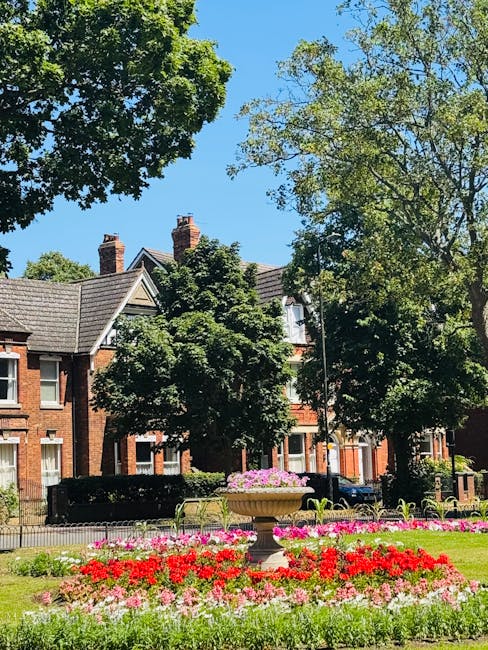
High Street Staines gardeners for small front gardens
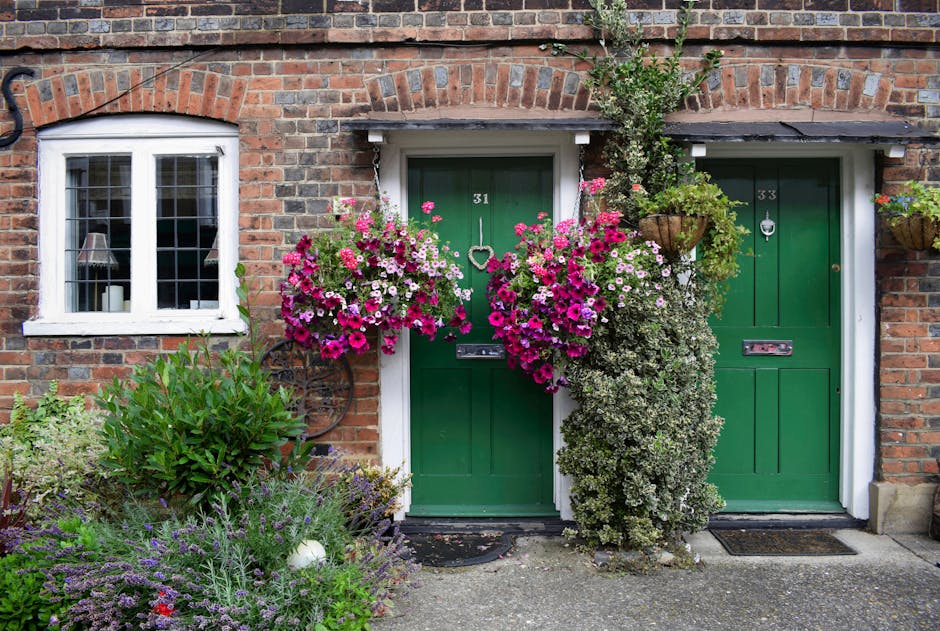
If your front garden is small, visible from the street, and always seems one windy week away from looking scruffy, you are not alone. High Street Staines gardeners for small front gardens are often chosen for one simple reason: they know how to make limited space look neat, welcoming, and easy to keep that way. In a compact space, every border, plant, paving line, and pruning cut matters. A good result is not about adding more-it is about choosing better.
That is where local experience helps. A front garden near a busy road, with foot traffic, shade, or awkward access, needs a different approach from a larger back garden. You want structure without clutter, interest without mess, and planting that will not swallow the space by midsummer. This guide walks through how it works, what to ask for, what to avoid, and how to get a front garden that looks cared for without becoming another weekend chore.
Why High Street Staines gardeners for small front gardens Matters
Small front gardens are one of those spaces people underestimate. They look simple at first glance, but they are often the most public part of a home. They frame the entrance, affect first impressions, and can make a property feel either cared for or a bit forgotten. In a place like Staines, where homes can sit close to the street and pavement, a front garden needs to work hard in very little space.
High Street Staines gardeners for small front gardens matter because they understand that these spaces have real constraints. There may be narrow access, compact dimensions, shade from neighbouring walls, or soils that dry out quickly. There is also the everyday reality of life: bins, bikes, parcels, muddy shoes, and not much spare time. A tidy front garden should make coming home feel easier, not add another job to the list.
There is another point people miss. A small front garden is not just about plants. It is also about movement, sightlines, drainage, edges, and the way the space looks in winter when the flowers have gone. Good gardeners think in seasons, not just at one moment in spring. That makes a big difference.
Expert summary: In a small front garden, the best results usually come from simplifying the layout, limiting plant variety, and choosing maintenance that suits the space rather than fighting it.
For many homeowners, a reliable starting point is a broader garden maintenance service, then tailoring the work to the front of the house. If the space needs a more complete reset, garden clearance may be the cleaner first step before any new planting or edging goes in.
How High Street Staines gardeners for small front gardens Works
The process is usually straightforward, but the planning matters. A good gardener starts by looking at what the front garden already has: shape, light, drainage, hard surfaces, boundary lines, and the kind of maintenance you can realistically keep up with. Then they decide whether the best approach is cleaning up, reshaping, replanting, or simply refining what is already there. Sometimes the job is mostly pruning and edging. Sometimes it is a full rethink. Truth be told, many small gardens only need a sharper plan, not a dramatic makeover.
In practice, the work often follows a sequence like this:
- Assess the space and identify what is overcrowded, failing, or underused.
- Clear away debris, dead growth, or awkward self-seeded plants.
- Set a simple structure with edging, planting zones, or a clean gravel/soil line.
- Prune hedges and shrubs so they stay in proportion to the frontage.
- Choose a manageable maintenance rhythm for mowing, trimming, and seasonal tidy-ups.
A front garden can look twice as good once the edges are crisp. It is slightly unfair, but true. A tiny strip of lawn with ragged borders can make the whole property look tired, while the same space with clean lines and a few well-chosen plants feels calm and finished.
Depending on the layout, the work may include lawn mowing, hedge trimming, careful pruning, and sometimes landscaping to improve the entrance or make the space easier to maintain. If the front garden also includes a path, small seating area, or raised feature, a more detailed landscape gardening approach can help the whole frontage feel joined up instead of bitty.
Key Benefits and Practical Advantages
The obvious benefit is appearance. A neat front garden improves the approach to the house, and it does so every single day. But the practical benefits go further than curb appeal. A well-designed small space is easier to maintain, less likely to become overgrown, and often cheaper to keep in shape over time. That last part matters more than people think. If the garden is designed sensibly, you spend less on emergency tidy-ups and less time trying to wrestle plants back into order.
Here are the main advantages of using local gardeners for a small front space:
- Better proportion: Planting and features are kept in scale with the size of the area.
- Lower upkeep: The design is built around realistic maintenance, not wishful thinking.
- Improved first impressions: The entrance feels welcoming rather than forgotten.
- More usable space: Paths, steps, and access points stay clear.
- Seasonal resilience: The garden still looks decent in winter and shoulder seasons.
There is also a subtle benefit: less visual noise. Small front gardens can look messy very quickly if they are overcrowded with pots, mixed heights, or too many plant colours. A restrained design often feels more expensive, more elegant, and more lived-in. A local gardener who understands small-space design will usually favour balance over volume. Sensible, really.
If you care about the long game, ask about ongoing care as well as the initial tidy-up. A front garden often needs a light, regular routine rather than sporadic big jobs. That is where a service such as lawn mowing or periodic hedge trimming keeps the whole frontage from slipping back after a month or two.
Who This Is For and When It Makes Sense
This kind of service makes sense for homeowners, landlords, and anyone who wants the front of a property to feel tidy without constant effort. It is especially useful if you have a small patch of lawn, compact borders, a narrow pathway, or shrubs that have outgrown their place. It is also a good fit if you are preparing to sell, let, or simply want the house to look a bit more cared for from the street.
You may benefit from specialist front-garden help if any of these sound familiar:
- The garden looks fine from a distance but messy up close.
- Planting is crowded and keeps spilling onto the path.
- You keep meaning to tidy it, but it never quite gets done.
- There is not much space, so every poor choice stands out.
- The area gets shade, wind, or heavy foot traffic and needs tougher planting.
Let's face it, a small front garden can become the "I'll deal with that next weekend" zone. And then next weekend becomes next month. A gardener helps break that cycle. For some properties, especially where the garden has been ignored for a while, the right starting point is a garden clearance visit followed by a lighter maintenance plan. For others, the layout just needs a better structure, which is where simple planting and edging changes make the biggest difference.
If you are comparing providers, it can also help to look at the wider service picture on the services overview page and then check whether you need one-off work or ongoing care. A front garden often benefits from both, just at different stages.
Step-by-Step Guidance
If you are starting from scratch or want to brief a gardener properly, a simple process keeps things focused. You do not need to know every plant name. You do need to know what the space should do for you. Here is a sensible way to approach it.
1. Walk the space at different times of day
Look at where the sun falls in the morning, midday, and late afternoon. Small front gardens can have very different conditions across just a few feet. A plant that thrives in a sunny corner may struggle beside a shaded wall or a draughty path. You will notice this faster if you look when the light changes.
2. Decide the job of the front garden
Do you want simple neatness, low-maintenance planting, more privacy, or a stronger entrance? Be honest here. A small space cannot do everything. If you want colour, structure, and zero upkeep, something has to give. Usually it is the zero-upkeep bit.
3. Clear the clutter first
Before any design work begins, remove dead plants, broken pots, and anything that makes the garden feel cramped. Sometimes a small amount of clearing transforms the place almost immediately. If there is a lot to remove, using garden clearance as a first stage can save time later.
4. Set the structure
Structure usually means clean edging, a clear path line, one or two focal points, and planting that does not crowd the entrance. In a small front garden, structure is the backbone. Without it, even pretty plants can look like a jumble.
5. Choose manageable planting
Go for plants that suit the aspect and do not need constant correction. Compact shrubs, evergreen structure, and seasonal colour in moderation often work better than a busy mix of everything available at the garden centre. A restrained palette is easier on the eye, too.
6. Agree a maintenance rhythm
Even the neatest small front garden needs ongoing care. That might mean monthly tidying, seasonal pruning, or regular mowing if lawn is part of the layout. Services like garden maintenance can keep the work from building up again.
One practical tip: ask how the garden will look in six months, not just on the day it is finished. That question sorts the useful plans from the pretty-but-fussy ones very quickly.
Expert Tips for Better Results
Small front gardens reward restraint. It is a bit like packing a suitcase-once you overfill it, nothing sits right. The best gardens use repetition, clean lines, and a few confident choices instead of lots of competing detail. Below are the habits that usually separate a tidy result from one that quietly disappoints.
- Keep the plant palette limited. Two or three main plant styles often look better than ten different ones.
- Use evergreen structure. It keeps the frontage looking organised through winter.
- Protect the entrance line. Do not let shrubs or hedges creep into the path.
- Match the scale of features. A tiny garden rarely suits oversized pots or bulky ornaments.
- Leave breathing room. A little bare space helps small gardens feel calmer.
Another small but useful point: if you have a hedge or boundary shrub, keep the top and sides within sensible limits. Once a hedge starts taking over the light or blocking the doorway feel, the whole frontage can seem smaller. That is where hedge trimming does more than tidy up; it restores balance.
And if the front garden is simply not worth rescuing in its current form, do not be shy about resetting it. Sometimes a stripped-back layout with proper hard edges, drainage corrections, or a new surface is the smarter move. You do not need to keep wrestling with a bad layout forever. Nobody wins that game.
Common Mistakes to Avoid
Most small-front-garden problems come from trying to do too much. It sounds odd, but overdesign is often worse than neglect because it creates maintenance headaches faster. A few common mistakes crop up again and again.
- Using too many plant varieties: It creates visual noise and more upkeep.
- Ignoring mature size: A plant that looks tiny now can overwhelm the space later.
- Blocking the view to the door: This makes the house feel less open and welcoming.
- Choosing high-maintenance plants by accident: Pretty, yes. Practical, not always.
- Forgetting seasonal shape: A garden that looks good in May can look messy by January.
There is also the classic mistake of not thinking about access. If gardeners cannot reach a border easily, maintenance becomes awkward and expensive. Narrow frontage, steep steps, or tight side access all affect what is realistic. A good gardener will spot that immediately. If they do not, that is a bit of a red flag.
One more thing: do not let a tiny patch of grass become a battle. In some small front gardens, lawn is the right choice. In others, a different surface or planting scheme may be easier to live with. If mowing is turning into a constant frustration, it may be time to rethink the layout or use lawn mowing as part of a regular care plan rather than treating it as a one-off job.
Tools, Resources and Recommendations
You do not need a shed full of kit to keep a small front garden looking decent. In fact, too much gear can make the space feel busier than the planting itself. For most small front gardens, the useful tools are the ones that let you trim cleanly, tidy quickly, and avoid damaging tight spaces.
| Need | Useful approach | Why it helps |
|---|---|---|
| Overgrown borders | Clear and re-edge first | Makes the garden feel larger and easier to read |
| Uneven hedge or shrub line | Regular shaping | Keeps the frontage balanced and open |
| Messy lawn edge | Light, frequent mowing and edging | Stops the lawn from blurring into the borders |
| Repeated clutter | Remove extras and simplify features | Reduces visual overload and upkeep |
| Long-term upkeep | Scheduled maintenance visits | Keeps small problems from becoming big ones |
For many homeowners, the smartest combination is a one-off tidy-up followed by regular visits. That might include hedge trimming, lawn mowing, and seasonal border care. If you are still deciding what level of support you need, it is worth checking pricing and quotes so you can compare a tidy-up, ongoing care, and any more detailed work side by side.
There is no magic tool that fixes a cramped front garden. Sorry. The real tool is judgment, plus a decent plan.
Law, Compliance, Standards and Best Practice
For most small front gardens, the key issues are not legal complexity but sensible site practice. Even so, a professional gardener should work safely, respect boundaries, and avoid causing damage to neighbouring property, pavements, or access points. If trees, tall hedges, or awkward slopes are involved, caution matters more than speed.
Best practice in the UK usually means:
- Working with appropriate insurance for the activity being carried out.
- Using safe methods around tools, ladders, and sharp equipment.
- Keeping paths and entrances reasonably clear during work.
- Handling green waste responsibly and avoiding fly-tipping risks.
- Being careful with boundary lines, overhanging growth, and shared access.
If the job involves tree work, heavy reductions, or removal close to structures, it should be handled cautiously and by someone who understands the risks. That is especially true where branches are near roofs, windows, cables, or neighbouring fences. For more involved jobs, a specialist service such as tree lopping and removal may be more appropriate than basic pruning.
Responsible disposal is another part of good practice. If your gardener removes cuttings, old plants, or broken garden materials, you want them to deal with it properly. A focus on recycling and sustainability is a good sign, because it shows the work is being done with care rather than just dumped out of sight. Also, a decent company should be transparent about insurance and safety, especially for work near entrances, public pavements, or delicate features.
For larger or heavier resets, it may also help to understand the company's approach to health and safety policy and its general standards through the about us page. That builds confidence, and rightly so.
Options, Methods, or Comparison Table
There are a few sensible ways to handle a small front garden. The right one depends on the condition of the space, how much time you have, and how polished you want the result to feel. Here is a simple comparison.
| Approach | Best for | Strengths | Limitations |
|---|---|---|---|
| Light tidy-up | Mostly neat gardens needing a refresh | Quick, affordable, low disruption | Won't fix deeper layout problems |
| Regular maintenance | Homes that need ongoing care | Keeps the garden consistently tidy | Needs a schedule and commitment |
| Restructure and planting refresh | Small gardens that feel cramped or dated | Improves appearance and usability | Needs more planning upfront |
| Full clearance and redesign | Overgrown or neglected spaces | Creates a clean slate | More time, more cost, more disruption |
For a lot of homes, the best route is not one extreme or the other. It is often a clean reset followed by modest maintenance. That sounds boring, maybe. It is also how many small front gardens stay looking good without becoming a money pit.
Case Study or Real-World Example
Here is a realistic example. A small terraced front garden had a narrow path, one tired patch of lawn, a shrub that had crept too close to the wall, and a few pots that had multiplied over the years. From the street it looked untidy, but the bigger problem was that it felt cramped when you actually walked up to the door.
The work began with a clear-out of dead growth and awkward extras. The hedge line was trimmed back, the path edges were cleaned, and the lawn was reduced to a neater, simpler shape. The planting was then pared down to a small number of tougher, lower-maintenance plants with enough room to grow properly. Nothing fancy. Just calmer, cleaner, easier.
The result was not dramatic in the flashy sense, which is exactly why it worked. The frontage looked bigger. The path felt open. The house sat better in its space. And the owner, who had been doing little bits of maintenance in dribs and drabs, said the best part was no longer feeling guilty every time they came home. That's the thing with small front gardens: the emotional relief can be as useful as the visual improvement.
If you are in a similar position, a team that can handle both tidy-up work and longer-term garden maintenance gives you more flexibility. If the front garden is also linked to paving, steps, or a small feature area, more tailored landscaping may help pull the whole entrance together.
Practical Checklist
Use this checklist before you book work or agree a plan. It keeps things simple, and honestly, simple is often what small front gardens need.
- Is the garden meant to be low maintenance, decorative, or both?
- Are there overgrown shrubs, hedges, or lawn edges that need attention?
- Do you know which areas get sun, shade, wind, or heavy foot traffic?
- Will the layout still look good in winter?
- Are paths, steps, and the front door approach clear and safe?
- Do you want a one-off tidy-up or ongoing care?
- Have you checked whether any clearance or disposal is included?
- Are the plants likely to stay within scale as they mature?
- Does the gardener explain their approach clearly and confidently?
- Have you reviewed pricing and quotes before agreeing the work?
Quick takeaway: the right gardener for a small front garden should make the space easier to live with, not just prettier for a day. If the plan is clear, the maintenance is realistic, and the proportions are right, you will notice the difference every time you come down the street.
Get a free quote today and see how much you can save.
Conclusion
High Street Staines gardeners for small front gardens are at their best when they treat the space as a living, working entrance rather than a decorative afterthought. That means practical choices, clean lines, sensible planting, and maintenance that suits real life. A small front garden can be one of the easiest parts of a home to improve, but only if the plan respects the scale of the space.
If your frontage has started to feel overgrown, awkward, or just a bit too busy, the solution is usually less complicated than it looks. Clear what does not belong, keep the structure simple, and choose work that can be maintained without stress. Small garden, big difference. And yes, that little patch by the front door really can change how the whole house feels.
When you are ready, it helps to work with a team that is transparent about its approach, safety, and standards. You can learn more through the services overview and contact us page if you want to take the next step. Sometimes a tidy front garden is not just a finishing touch. It is the start of the whole place feeling right again.
Frequently Asked Questions
What do High Street Staines gardeners for small front gardens usually do?
They usually focus on making a compact frontage neat, balanced, and easy to maintain. That can include tidying borders, shaping hedges, mowing small lawns, clearing clutter, improving edges, and suggesting planting that fits the space properly.
Is a small front garden worth professional help?
Yes, especially if it is the most visible part of your home. Small front gardens show mess quickly, so even a modest amount of professional work can make a noticeable difference to appearance and upkeep.
How often should a small front garden be maintained?
That depends on the planting and the season, but many front gardens benefit from light regular care rather than occasional heavy work. Monthly visits or seasonal check-ins are common starting points, with extra attention in spring and summer.
What if my front garden is badly overgrown?
If it has been neglected for a while, the usual first step is a clearance or hard tidy-up before any new design work begins. That gives you a clean base to work from and makes later maintenance much easier.
Can a very small front garden still have planting and structure?
Absolutely. In fact, a very small garden often looks better with a clear structure and a limited number of well-chosen plants. The trick is not trying to force too much into the space.
Do small front gardens need lawns?
Not always. Some do well with a small lawn, while others are easier to manage with planting, gravel, edging, or another simpler layout. It depends on how much maintenance you want and how the space is used.
What should I ask before booking a gardener?
Ask what is included, how the garden will be maintained after the first visit, whether waste removal is covered, and how they handle awkward access or safety issues. If a provider can explain their approach clearly, that is a good sign.
How do I keep a small front garden looking tidy between visits?
Keep the routine simple: remove obvious debris, deadhead tired plants if relevant, trim anything that starts blocking paths, and avoid adding extra items that create clutter. Small gardens usually look best when they are left quite uncluttered.
Can gardeners help if the hedge or shrubs are too big for the space?
Yes. Shrubs and hedges that have outgrown a small front garden are a common issue, and careful trimming can make the whole frontage feel more open. In more difficult cases, the plant may need to be reduced or replaced.
What is the difference between garden maintenance and landscaping?
Garden maintenance is about keeping an existing space in good order. Landscaping is broader and can involve changing the layout, surfaces, structure, or planting scheme. If your front garden only needs regular upkeep, maintenance is usually enough.
How do I know if a front garden needs a full redesign rather than a tidy-up?
If it keeps looking awkward no matter how often you tidy it, or if the layout makes maintenance unnecessarily hard, a redesign may be the better option. A good gardener should be able to tell you honestly whether the space needs a refresh or a full reset.
Where can I learn more about the company and its standards?
You can review the about us page, check insurance and safety, and look at health and safety policy information to understand how work is approached. That extra bit of checking is never wasted.